
We've put together our favourite literacy games and activities that will get your little one reading, writing and learning new vocabulary whilst having lots of fun along the way! These activities will help inspire little minds into becoming big readers and even help promote problem-solving, communication and a love for learning. Whether you need an engaging rainy day activity to try at home or want to spark some sensory learning, keep reading for some exciting activity inspiration. Literacy development is crucial in the early years, and research shows that children exposed to rich language environments from birth have stronger reading skills by age five.
Sensory Literacy Activities
Children learn best when several of their senses are being engaged at once, and sensory play has a variety of cognitive and physical development benefits. Sensory-inspired literacy activities are perfect for enhancing learning while keeping children engaged. According to a 2024 study by the Early Childhood Education Journal, multi-sensory learning experiences significantly improve children's letter recognition and vocabulary acquisition. At Fennies, we often combine sensory play with structured literacy to maximise early learning outcomes, and parents can replicate these ideas at home.
Icy Alphabet Hunt
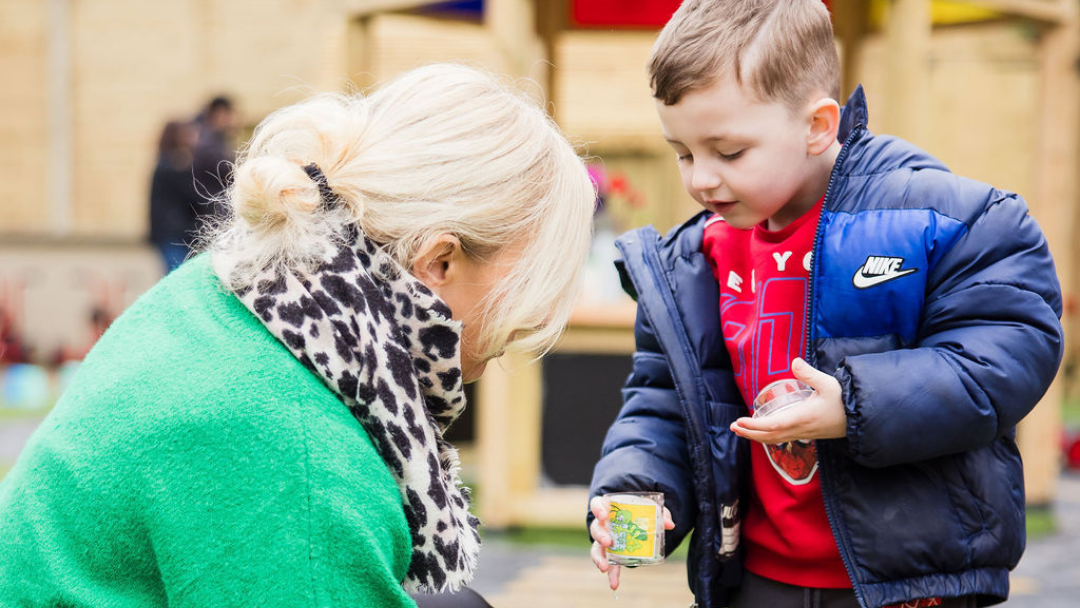
Add a dash of extra fun to your alphabet hunt with this magical melting ice! Your children will love finding creative ways to melt the ice and find letters. This is also a great way to spark conversations about solids and liquids. You could even add coloured water to make the activity more visually stimulating and to teach children about colour mixing. Activities like this also support scientific exploration alongside literacy, reinforcing observational skills and curiosity.
Water Table Alphabet Soup
Enhance your next water table activity with a sensory twist on the classic alphabet soup activity. Not only will this help develop reading and writing, but it also supports motor skills. All you will need is a water tray or large bowl, plastic alphabet letters, and some empty spice containers for hours of excitement. For additional learning, ask your child to sort letters by vowels and consonants, which helps build phonemic awareness, a key skill in early literacy development.
Sensory Sand Writing

This out-of-this-world literacy activity develops reading and writing skills while improving early motor development. Sprinkle glitter or different textures into the sand to enhance sensory exploration. Encourage children to experiment with different tools such as tongs, toys, or even their hands and feet. Sensory sand writing supports pre-writing skills and hand-eye coordination while encouraging creativity and independence in learning.
Shaving Foam Writing
Early years literacy activities are even more fun with messy play! Give this simple shaving foam activity a go at home to encourage your little one to write letters with their hands. For children with sensitive skin, consider using hypoallergenic foams or alternatives like whipped cream for safe tactile learning. Integrating fine motor skill activities alongside literacy accelerates writing readiness.
Sensory Letter Hunt
This activity builds children’s ability to recognise letters while exploring different textures, such as sand or rice. To extend the activity, challenge children to form simple words with the letters they find, supporting early spelling and vocabulary skills. According to NHS Start for Life, multi-sensory engagement supports both literacy and cognitive development in children under five. This activity pairs well with storytelling or role-play to further develop language skills.
Lightbox Alphabet Game

What better way for your child to learn their ABCs than with a multi-sensory lightbox game? Perfect for all ages and adaptable for different stages of development, this game encourages letter recognition, stacking and pattern formation. Using light and colour adds an extra visual element, supporting memory and attention skills in early learners.
Desert Sand Writing Tray
Preschoolers benefit from practising writing using a variety of materials to develop fine motor skills. Switching out pens and pencils for sand or textured trays encourages tactile learning. These activities are easy to clean and allow children to experiment with letter formation, supporting both literacy and motor development.
Marvellous Munching Monsters
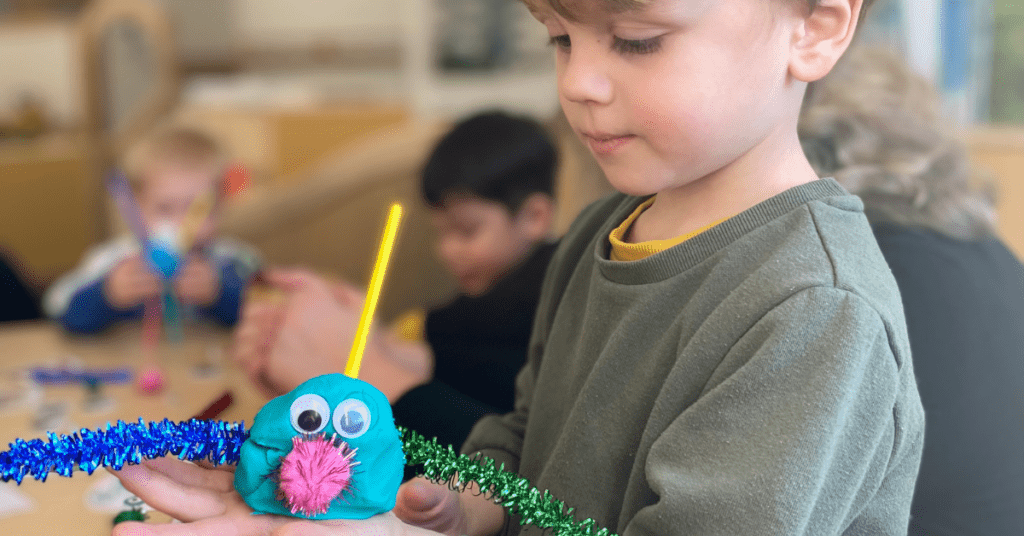
This playful activity teaches alliteration and builds vocabulary. Create monsters using playdough, googly eyes, and pipe cleaners, then ask your child to name each monster with a word starting with the same letter. This encourages creativity and phonics practice simultaneously. Check out the creations from the children at Fennies Walton in the photo above!
Spelling and Reading Activities
Storytelling Baskets
Bring storytime to life by creating storytelling baskets inspired by your child’s favourite books. This visual and tactile approach deepens comprehension and promotes imaginative engagement. Linking props to the plot encourages recall and discussion, supporting literacy in a fun and interactive way. Combining these baskets with structured curriculum activities from Fennies enriches learning at home and in nursery settings.
Alphabet Game
One of our favourite Early Years literacy activities, this game helps children learn letters while developing fine motor skills. Using letter tiles or magnetic letters, children can form words and simple sentences, while verbalising letters reinforces phonics and speaking skills.
Inspector Phonics
Your child will love playing detective while hunting for letters. This game enhances early literacy skills and supports phonic awareness, a foundation for fluent reading. Adding magnifying glasses or themed clues makes the activity more engaging.
Phonics Sorting Baskets
Sorting letters by phonics helps children recognise sounds and syllables. Early phonics education supports rapid word recognition and improves reading fluency, as highlighted by the UK Government’s 2023 guidance on phonics in Early Years.
Let’s Tell A Story

Encouraging children to structure their own stories with household items fosters creativity, vocabulary and narrative understanding. Ask open-ended questions like “What happens next?” to develop reasoning and communication skills.
Music and Listening Activities
Which Instrument Is It?
Using musical instruments to develop listening, differentiation and communication skills helps children recognise sounds, an essential skill for phonics and speech development. Explore more musical literacy games in our Children’s Music Games blog.
Song Bags
Singing supports language development through rhyming and repetition. Using themed objects in a bag allows children to connect songs with visuals, enhancing memory, rhythm and vocabulary. Combining music with literacy activities encourages multi-sensory learning and engagement.
Listening Treasure Box
Fill a box with noise-making objects, cover it, and encourage children to guess the sounds. Listening goes beyond hearing; it supports attention, memory and auditory discrimination, all foundational skills for early literacy.
Creative Literacy Activities
Rhyming Soup
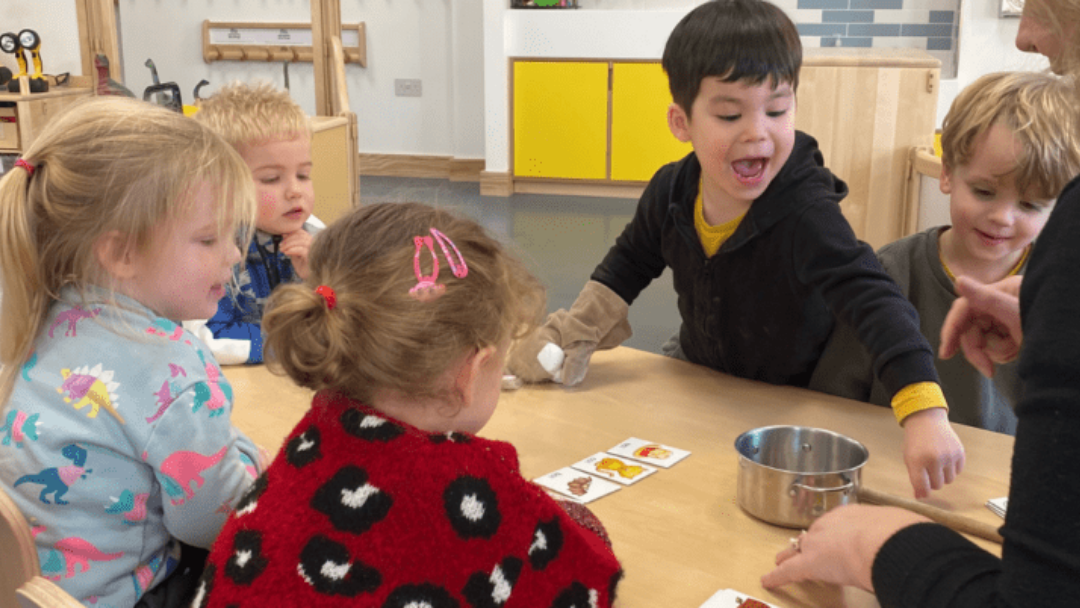
This fun activity teaches rhyme and rhythm by matching objects or pictures in rhyming pairs. Rhyming helps children recognise sound patterns, a fundamental skill for early reading. Combine this with other literacy games for extended engagement.
Song Sticks
Repetition and rhyming in nursery rhymes improve memory and early literacy skills. Creating sticks with words, sounds or images supports phonics awareness and language fluency.
Story Stones
Decorate stones with images inspired by books to stimulate storytelling and literacy. For example, using The Very Hungry Caterpillar by Eric Carle, children can sequence events, reinforce narrative understanding and engage in imaginative play.
Outdoor Literacy Activities
Listening Walk
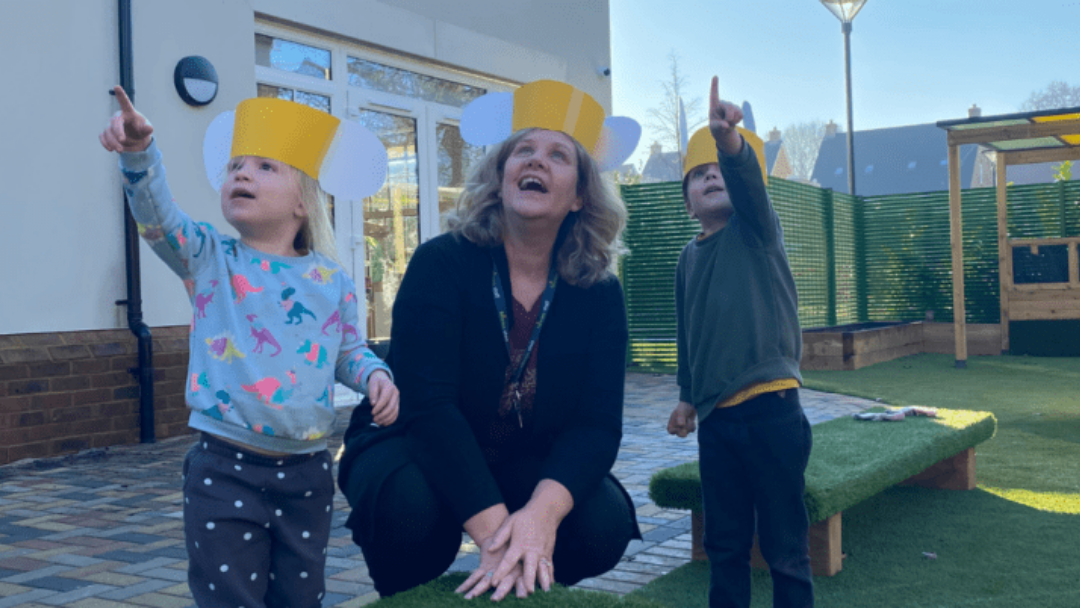
Taking learning outdoors improves concentration, well-being and literacy engagement. Encourage children to focus on environmental sounds like birds or traffic and discuss what they hear. Outdoor literacy experiences also support cognitive development and curiosity.
Play I Spy
Classic I Spy promotes critical thinking, memory, vocabulary and phonological awareness. Playing at home or on journeys reinforces language skills in a fun, interactive way.
Final Thoughts
Integrating these activities at home or in nursery settings strengthens early literacy skills and fosters a lifelong love of learning. Combining sensory, creative, musical and outdoor play ensures children are engaged and developing holistically. For guidance on starting literacy activities at home, visit Fennies At Home or explore our parent partnership resources for further support.
FAQ
Subscribe to our newsletter
Stay up to date with Fennies news
Related posts
.png)
Top Places To Visit With Children In Eltham And Surrounding Areas
Why Do Toddlers Struggle With Sharing? Expert Tips For Parents

Discover Fennies Maidenhead, College Avenue

How To Get A Toddler To Sleep: 12 Proven Bedtime Tips

Meet The Nursery Manager: Tara From Fennies Windsor, Osborne Road

Meet The Nursery Manager: Amy From Fennies Maidenhead, College Avenue
Meet The Nursery Manager: Claudia From Fennies Oxted, Amy Road