.png)
Preparing for a nursery educator interview can be both exciting and nerve-wracking, especially in a competitive field where making a lasting impression matters. At Fennies, we know that the interview process is a chance for you to showcase not only your qualifications but also your passion for Early Years education, your understanding of childcare and your readiness to contribute to a nurturing learning environment.
In this blog, we’ll walk you through some of the questions you might encounter, whether you're an apprentice or a qualified educator, and offer expert tips on how to stand out in nursery interviews. From demonstrating your commitment to the latest Early Years Foundation Stage (EYFS) framework to using the STAR method for structured answers, these insights are designed to help you feel confident and well-prepared.
- Nursery Job Interview Video Guide
- Nursery Educator Interview Questions
- How to stand out in Nursery Interviews
- Using the STAR Method
- Why Choose Fennies?
Watch Our Video: Nursery Job Interview Guide
.png)
For a visual walkthrough of everything covered in this guide, watch our YouTube video on nursery interview tips. The video provides practical tips on answering common interview questions and strategies to leave a positive impression, complementing the advice in this blog.
Whether you prefer learning by watching or want a quick refresher before your next interview, this video will help you feel confident and prepared.
Nursery Educator Interview Questions

Interview Questions For Apprentices
If you're applying for an apprenticeship, you won't have extensive knowledge of the EYFS yet, and we don't expect you to. However, showing an interest and some basic understanding of childcare is a bonus. During your interview, you may be asked questions like:
- Why do you want to work in the Early Years?
- What skills do you have that could help when working with babies and children?
- How do you work as part of a team?
- Can you explain how you would keep children safe in the nursery?
- How would you help support a child's development and learning?
Remember, the interview is also a chance for you to ask questions and learn more about the role and nursery.
Interview Questions For Qualified Educators
As a qualified https://www.fennies.com/join-the-fennies-team, you can expect interview questions that delve deeper into your knowledge of the Early Years Foundation Stage (EYFS) curriculum, safeguarding practices, and your ability to handle real-life scenarios in a nursery setting. Here are some examples:
- What would you do if you had a concern about a child's well-being or development?
- Can you give examples of policies and procedures related to children's health and safety that you have followed?
- Why is it important to share information with parents, and how would you approach this?
- How would you support a child's development and learning in a specific area, such as language and communication or personal, social and emotional development?

Be prepared for questions that present hypothetical scenarios you might encounter in a nursery setting. For example, "A child is new to the nursery and has been crying inconsolably for an hour. How would you handle this situation?" or "You witness two team members having a disagreement in front of the children. What would you do?"
These questions assess your problem-solving skills, ability to remain calm under pressure and adherence to nursery policies and best practices. Remember! When answering these questions, provide specific examples from your experience whilst also demonstrating your knowledge of current Early Years practices and regulations.
How To Stand Out Nursery Interviews
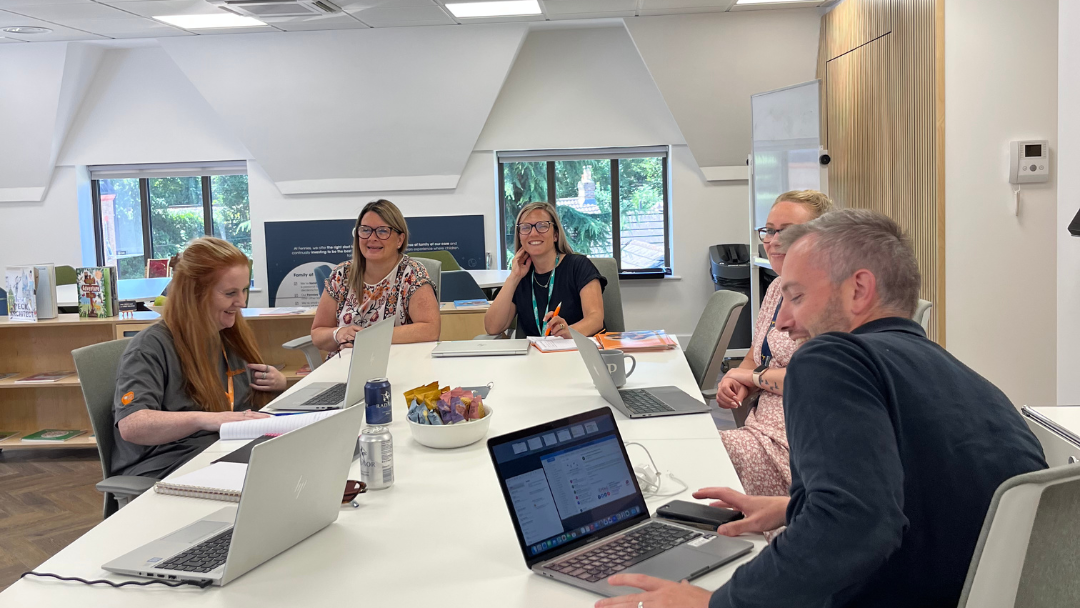
Competition for nursery educator roles remains high, and standing out in your interview is crucial. Here are our top tips for nailing your nursery educator interview and to help you make a lasting impression:
Demonstrate Your Passion For Early Years Education
Passion is something that can't be faked. Use examples from your past experiences to show your genuine enthusiasm for working with children. Discuss how you've gone the extra mile to create an engaging learning environment or support a child's unique needs. For instance, reflecting on your ability to inspire curiosity through creative play activities or helping children navigate their emotions can make a strong impression.
Share Your Knowledge Of The Latest EYFS Framework
If you're a qualified educator, updating yourself with the latest EYFS changes will demonstrate your commitment to continuous learning and staying relevant in the field. Be prepared to discuss how the framework shapes your approach to supporting children's learning and development.
Be Ready To Show Your Creativity
At Fennies, we value creativity in our teams. Discuss specific activities or teaching strategies you’ve used to engage children, such as sensory exploration or storytelling to boost literacy. Bringing examples or ideas demonstrates initiative and shows how you could contribute to our nurturing, playful environment.
Highlight Commitment To Growth
Employers value candidates who are motivated to grow within their roles. Sharing professional development examples, Early Years certifications or leadership training participation reflects ambition. You can highlight your interest in developing leadership skills in Early Years or taking on extra responsibilities, which shows initiative and aligns with Fennies’ supportive culture.
By preparing to highlight these areas, you'll be showing not only your qualifications but also your readiness to contribute actively to the nursery's learning environment and culture.
Using the STAR Method

In nursery interviews, especially for educator roles, competency-based questions are becoming more common. These questions often begin with "Can you give an example of a time when...". The best way to approach these is to use the STAR method, which ensures your answers are structured and clear:
Situation - Describe the situation you were in.
Task - Explain the task or challenge you were facing.
Action - Detail the specific actions you took to address the task.
Result - Share the outcome and, if possible, relate it to positive feedback you received or improvements you saw.
For example, if you're asked, "Can you give an example of how you've handled a difficult situation in the nursery?", structure your answer as follows:
Situation: "In my previous nursery, I noticed that one child was consistently disengaged during group activities."
Task: "I recognised it as part of my role to ensure all children were participating and benefiting from the learning experience."
Action: "I spoke to the child privately and discovered they were anxious about participating. I created smaller group activities to help build their confidence over time."
Result: "After a few weeks, the child began participating more and was noticeably more comfortable in group settings."
Practicing STAR responses before your interview boosts confidence. For more prep tips, explore CV writing guidance for Early Years professionals or learn about different Early Years career paths to see where you could progress.
Why Choose Fennies?
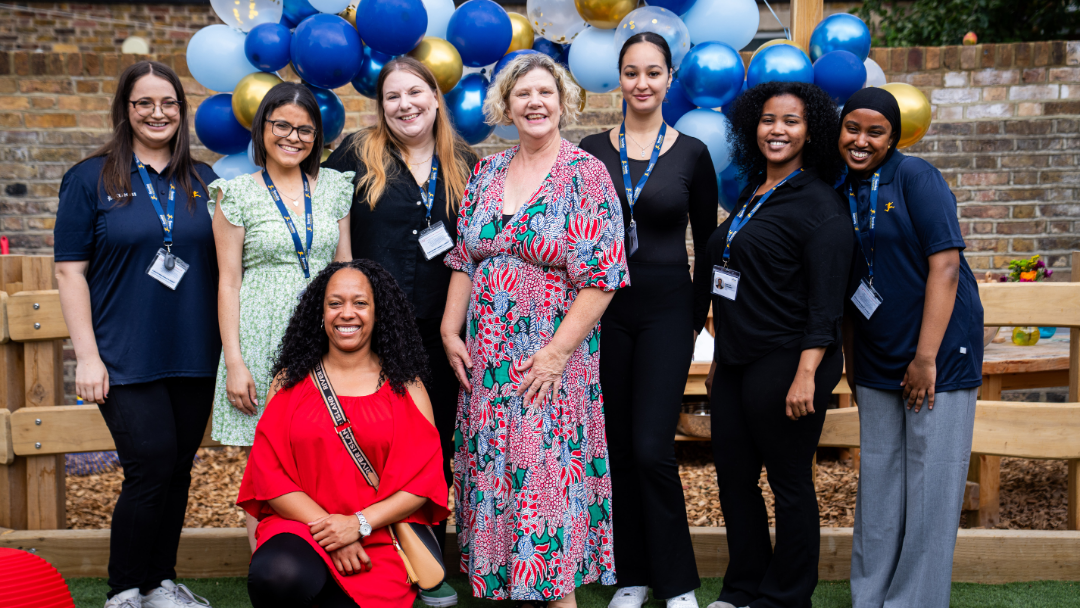
Working at Fennies means being part of a team that truly embodies our core values: Be Yourself and Come Together, Be All In and Go Further. We celebrate individuality and encourage everyone to bring their unique perspectives and strengths.
Exploring our team culture and values gives insight into how colleagues work together and support each other while delivering high-quality Early Years education. Many educators are drawn to Fennies because of our commitment to professional growth.
Candidates looking to understand a career in Early Years education can explore working at Fennies to see how we combine professional growth with hands-on experience.
Ready to make a difference? Explore our current vacancies and start your journey with a nursery group that values both professional growth and a child-centred approach to learning.
FAQ
Subscribe to our newsletter
Stay up to date with Fennies news
Related posts
.png)
Top Places To Visit With Children In Eltham And Surrounding Areas

Why Do Toddlers Struggle With Sharing? Expert Tips For Parents

Discover Fennies Maidenhead, College Avenue

How To Get A Toddler To Sleep: 12 Proven Bedtime Tips

Meet The Nursery Manager: Tara From Fennies Windsor, Osborne Road
Meet The Nursery Manager: Amy From Fennies Maidenhead, College Avenue
Meet The Nursery Manager: Claudia From Fennies Oxted, Amy Road