
Are you passionate about making a difference in the lives of young people? If so, a career working with children in the UK might be your calling. Whether you're considering a career change or looking for part-time work, there are numerous pathways to explore. This guide will walk you through the steps to secure a fulfilling role in this rewarding field. From understanding the various sectors to gaining qualifications and experience, you'll find everything you need to get started.
Have you ever wondered what it takes to turn your passion for working with children into a thriving career?
Key Takeaways
- Explore various sectors to find your niche in working with children
- Gain essential qualifications to enhance your employability
- Acquire relevant work experience through entry-level positions, internships, and volunteering
- Develop key skills like communication, patience and organisational abilities
- Network within the childcare industry to discover new opportunities
Understanding Different Education Sectors For Jobs With Children

Working with children offers a plethora of opportunities across different sectors, each with its unique roles and requirements. Understanding these sectors can help you choose a path that aligns with your skills and interests. From education and healthcare to social work and recreational activities, the options are vast and varied.
If you're interested in supporting children with special needs, educational support roles offer a chance to make an impact. As an Early Years practitioner or nursery worker, you can help create inclusive environments where every child feels supported. The Early Years sector is more than just teaching; it's about empowering young people to reach their potential.
At Fennies, our nurseries offer hands-on placements where you can experience this work directly, guided by our experienced teams.
Essential Qualifications For A Career In Early Years Care
To kickstart your career working with children, you may need qualifications, enhancing your employability and equipping you with necessary skills. From basic qualifications to advanced degrees and certifications, these credentials will set you on the path to success.
For most entry-level positions in childcare, GCSEs in English and Maths are typically essential. These qualifications demonstrate your ability to communicate effectively and solve problems, both of which are crucial in childcare roles. Additionally, Level 2 and Level 3 childcare diplomas open doors to entry-level opportunities, providing you with a solid foundation.
First aid is highly valued in childcare settings, as it equips you to respond to emergencies and provide immediate assistance. Safeguarding training is also crucial, ensuring that you understand how to protect children and can create a safe environment.Fennies supports team members to complete their Level 2 and Level 3 qualifications through structured apprenticeships, allowing you to earn while gaining the skills you need.
Understanding Advanced Certifications And Degrees
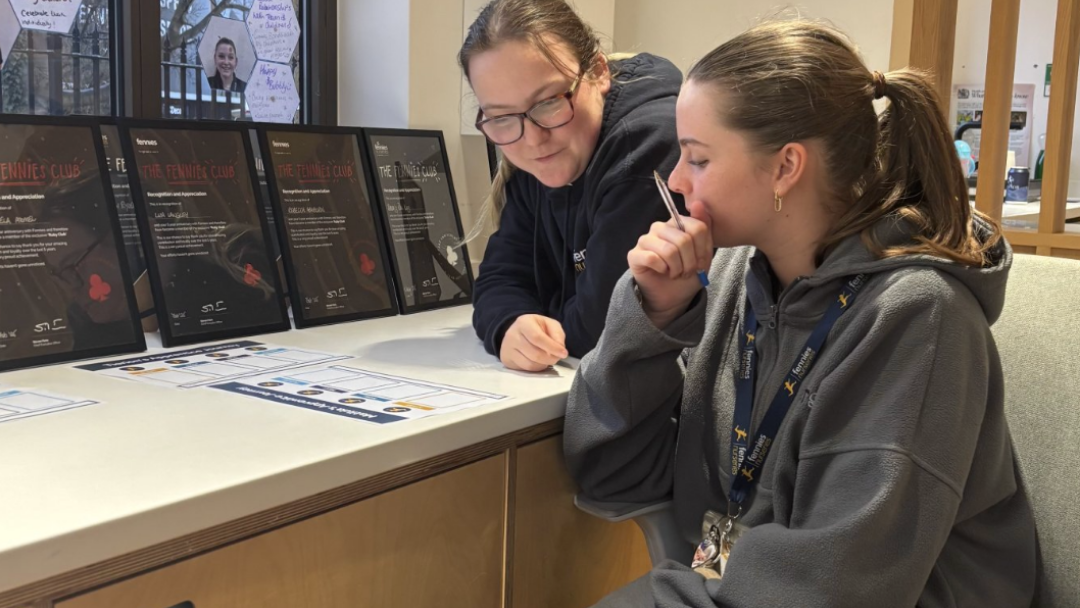
If you're aiming for advanced roles, pursuing degrees in education or social work can significantly enhance your employment prospects. These specific qualifications provide in-depth knowledge and skills, preparing you for leadership and specialised positions.
Recognising The Importance Of DBS Checks In Social Care
In the UK, the Disclosure and Barring Service (DBS) check is mandatory for anyone working with children. A clear DBS check ensures that you have no history of offences that could pose a risk to young people. Regular updates to your DBS status are important to maintain compliance with safety standards.
The DBS update service allows employers to quickly check your status, streamlining the hiring process. By keeping your DBS check current, you demonstrate your commitment to safeguarding and child protection.
Gaining Relevant Work Experience In Childcare

In addition to qualifications, gaining hands-on experience is vital for building a successful career in childcare. Whether through entry-level positions, internships or volunteering, practical experience provides valuable insights and skills.
Finding Entry-Level Positions
Nurseries often hire nursery assistants with minimal experience, offering an excellent starting point for a rewarding career in childcare. These roles provide hands-on experience with young children, allowing you to apply your knowledge and develop essential skills.
Schools offer support roles for recent graduates, such as teaching assistants or classroom aides. These positions enable you to work closely with teachers and students, gaining insights into educational environments and practices. Part-time roles in childcare centres allow you to build experience while studying, providing flexibility and valuable exposure to the field.
“I love Fennies because there are opportunities within the company to grow in the Early Years Sector.” says Rebecca Cook, Level 3 Early Years Educator at Fennies Walton.
Pursuing Placements And Apprenticeships To Become A Nursery Worker
Placements and apprenticeships offer structured learning and practical experience, making them invaluable for career growth. Apprenticeships provide on-the-job training and mentorship, allowing you to earn while gaining valuable skills. They are particularly beneficial for those looking to enter the childcare sector without prior experience.
Placements and voluntary work in schools or local councils offer insights into educational and social services environments. These opportunities allow you to observe professionals at work, gain hands-on experience and build connections within the industry. Paid apprenticeships and internships not only enhance your skills but also provide financial support during your training period.
Fennies offers dedicated apprenticeship programmes designed to support your progression, giving you real-world experience while completing your Early Years qualifications.
Developing Key Skills For Working With Children

To excel in a career with children, developing the right skills is essential. These skills enhance your ability to work effectively with young people and can also improve your overall job performance.
Clear and effective communication is the cornerstone of working with children. It fosters trust and understanding, enabling you to connect with young people and address their needs. Active listening is equally important, as it helps you understand children's concerns and respond appropriately.
Communication extends beyond interactions with children; it also involves engaging with parents and colleagues. By tailoring your communication style to suit different age groups and situations, you can enhance collaboration.
Patience is a virtue in childcare, helping you manage challenging behaviours constructively and maintain a calm and supportive atmosphere. Empathy allows you to connect with children and families on a deeper level, understanding their perspectives and needs.
By fostering inclusive environments and understanding diverse backgrounds, you create spaces where all children feel valued and respected. Reflective practice helps you improve your empathy and patience over time, enhancing your ability to support young people effectively.
Exploring Part-Time Opportunities To Work With And Support Children

If you're looking for part-time work, there are plenty of opportunities in childcare that can help maintain flexibility. This allows you to have even more balance between your home and work life. These roles allow you to gain experience and make a positive impact without committing to full-time employment. Therefore you still make a big impact to support the educational needs of children.
Teaching assistant or Early Years educator roles can offer flexibility. They allow you to work part-time while supporting students' learning and development throughout their childhood. These positions provide valuable experience and insights into educational settings, making them ideal for those considering a career in teaching.
After-school clubs need part-time staff to supervise activities, providing a fun and engaging environment for children outside regular school hours. Supply teaching offers varied experiences in different schools, allowing you to work on a temporary basis and explore different educational environments.
Navigating Job Search Platforms For Early Years Teacher Roles
Finding the right job in childcare requires strategic use of job search platforms. These tools can help you discover opportunities and streamline your job search process.
Websites like Indeed and Reed list numerous childcare jobs, making them valuable resources for job seekers. Creating job alerts ensures that you stay informed about new opportunities in your area. This means you can apply promptly for any vacancies and increase your chances of success.
Uploading your CV to job portals allows employers to find you for suitable roles, expanding your reach in the job market. Application tracking tools help you manage multiple job applications, keeping your job search organised and efficient.
Explore Career Opportunities With Fennies
If you’re ready to take the next step in your journey working with children, consider exploring the roles available at Fennies. As a leading provider of nurseries across the South East of England, Fennies is committed to creating supportive and inspiring environments for both children and our teams. From Early Years practitioners to nursery managers, there are opportunities for those starting out, looking for part-time work, or making a career change into childcare.
“Fennies enables reflective practice through strong training, personal growth, partnerships, and a culture that supports both children’s outcomes and staff wellbeing.” says Nicole Goodwill, Room Leader at Fennies Croydon, Lower Addiscombe Road
Check out current openings at Fennies to see how you can bring your passion for working with children to life while developing your skills and making a meaningful impact every day. Joining Fennies means being part of a team that values growth and the chance to shape the early experiences of young children.
FAQ
Embarking on a career with children begins with passion and patience. Research various roles like teaching, childcare, or child psychology. Volunteer at local schools or community centres to gain experience. Consider enrolling in relevant courses or workshops to enhance your skills.
Qualifications depend on the role you’re aiming for. Generally, a GCSE in English and Maths is essential. For teaching, a degree followed by a PGCE is standard. Childcare roles might require a Level 2 or 3 Diploma in Childcare and Education but this is not a necessity. Most nurseries and schools provide safeguarding training as part of your role. Even so, it’s helpful to know the basics before your interview, so you can demonstrate awareness and understanding. Always check specific job descriptions for details, as requirements can vary greatly.
A child support worker typically needs a Level 3 Diploma in Health and Social Care or a related field. Some positions may require a degree in social work or psychology. Practical experience, whether through volunteering or internships, is highly valued. Safeguarding training and a clean DBS check are essential. Continuous professional development is encouraged to stay updated with best practices and new methodologies in child support.
Subscribe to our newsletter
Stay up to date with Fennies news
Related posts

How To Successfully Change Careers At 40: Your Step-by-Step Guide
.png)
What Jobs Are Safe From AI? Future Proof Career Options

What Career Should I Do? Signs You’d Thrive Working With Children

Careers That Make A Real Difference In People’s Lives

How To Get A Job Working With Children, Even If You’re Changing Careers
.png)
Day-To-Day Life Of A Childcare Worker: Responsibilities And Skills