
What Jobs Are Safe From AI? Future Proof Career Options
Ai is transforming the workplace at an unprecedented pace. From automation in factories to chatbots in customer service, many industries are experiencing rapid change. This raises a question for anyone planning their career: which jobs are safe from AI, and which are likely to be automated?
While no career is completely immune, some roles rely on uniquely human skills. Creativity, empathy, problem-solving and hands-on interaction are all areas which AI struggles to replicate. Understanding these “future proof” careers can help you make informed choices and feel confident about long-term stability.
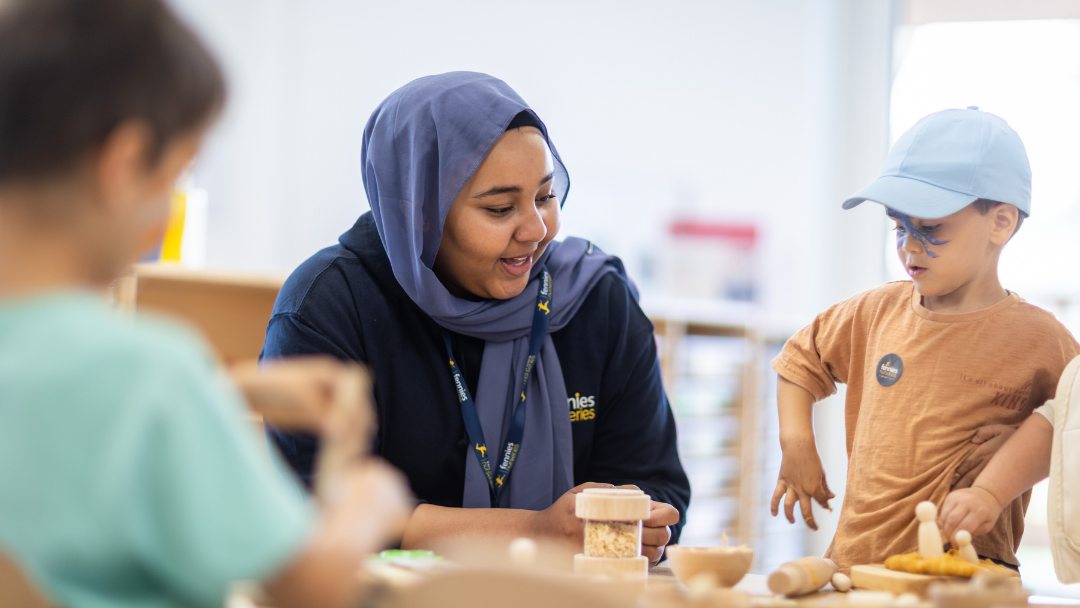
Childhood educators and Early Years roles, like those at Fennies Nurseries, are excellent examples of careers safe from AI, combining human connection, skill development and progression opportunities.
Key Takeaways
- Jobs requiring creativity, empathy, or complex human interaction are less likely to be automated
- Practical and hands-on roles are generally more future proof than purely administrative or repetitive tasks
- Sectors like childcare, healthcare, education, and skilled trades offer stability and career progression
- Developing transferable skills and qualifications increases long-term employability
- At Fennies, our team roles focus on human-centred care, making them resilient to technological disruption
Careers In Early Years Education: Resilient & Future-Proof
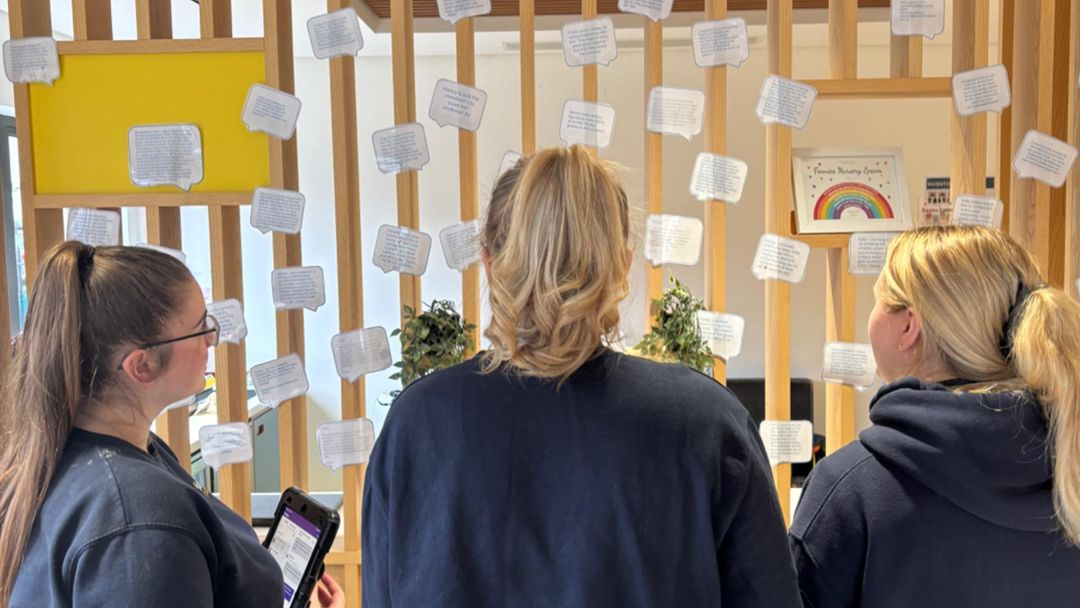
When thinking about future-proof careers, childhood educators and Early Years professionals consistently rank highly. These roles require nuanced understanding of child development and a balance of care and learning. Unlike repetitive office tasks, Early Years work demands human skills, flexibility and adaptability.
Within Fennies nurseries, practitioners take on roles that include planning daily activities that help support social and emotional growth, along with adapting lessons to each child’s unique needs. These responsibilities cannot be automated, making these careers resilient in a changing job market.
Emotional Intelligence: A Skill AI Can’t Replicate
Emotional intelligence is central to Early Years education. Practitioners need to read subtle cues, respond to emotions, and support children’s personal and social development. This level of human skill is impossible for AI to fully replicate.
Fennies practitioners practice emotional intelligence in action, observing children’s responses during play and facilitating conflict resolution, helping nurture their confidence and curiosity.
“I love having a job that is fulfilling, makes a difference and is different every day. I know it means a lot to families and their children, hearing that when they leave our setting they feel happy and comfortable and secure that their child is being cared for. It’s the best feeling in the world” Eda Zorbozan, Deputy Manager at Fennies Horley
Every interaction in a nursery is influenced by this skill. Whether calming a child who is experiencing anxiety, encouraging a hesitant child to join a group activity, or simply offering reassurance during a moment of uncertainty, the role of the practitioner is defined by sensitivity and understanding that AI cannot mimic.
Creativity In Early Years Education

Another reason Early Years careers remain resilient is creativity. AI can generate content or suggestions, but it cannot replace the imaginative, hands-on approaches needed to inspire learning in young children.
Practitioners at Fennies use creativity to design play-based learning, arts and crafts, storytelling, music sessions and outdoor exploration. Every child engages differently, so adapting activities to meet their interests is essential.
Learning, Growth & Career Progression
Early Years careers develop as practitioners gain hands-on experience and continue learning. By observing children, reflecting on outcomes and trying new approaches, educators refine their practice. This learning is continuous, and expertise grows as practitioners interact with children and adapt to their needs.
Fennies supports practitioners by providing training and opportunities to take on responsibilities. Educators apply what they learn to improve their practice, and their skill development relies on real-world experience rather than theoretical instruction alone. The knowledge acquired through daily practice enhances judgment and adaptability.
Career paths in Early Years are dynamic. Experienced educators can move into nursery management, SEN specialism or training roles, creating resilience and long-term security in their careers.
Roles Ready For The Future
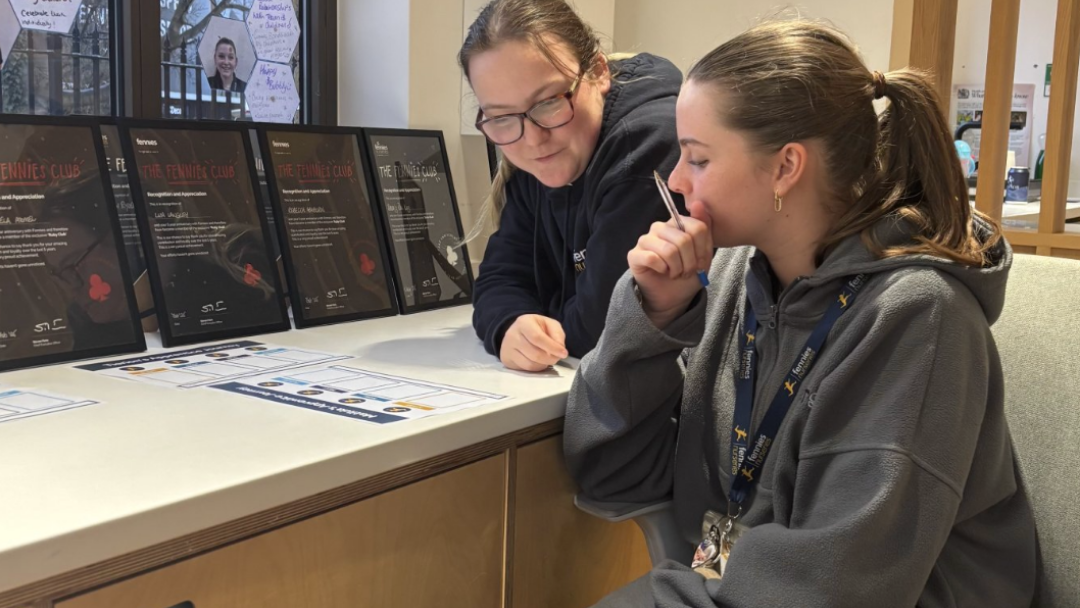
Some specific roles in Early Years education that remain future-proof include:
- Childhood educators who support daily learning and development
- Nursery managers who lead teams and design curriculum
- Specialist educators working with children with additional needs
- Creative educators who design engaging learning experiences
Fennies provides progression pathways that allow practitioners to assume responsibilities and develop expertise. The importance of these roles comes from the need for human insight and care, which technology cannot replicate. The value of the work is measured by children’s engagement, learning and wellbeing.
Skills That Keep You Future-Proof
The skills that make Early Years practitioners indispensable include:
- Observation and assessment of child development
- Planning and adapting learning experiences
- Communication and relationship-building with children, families and colleagues
- Creativity in designing stimulating play and learning activities
- Emotional intelligence and empathy
- Leadership and mentoring for career progression
Fennies encourages the development of these skills in all practitioners, combining practical experience with targeted training. This ensures team members are ready for the future, capable of adapting to changes in technology while maintaining a human-centred approach to childcare.
Why Early Years Careers Are Safe From AI

While AI can assist with scheduling, record-keeping and even lesson ideas, it cannot replicate human judgment or relational guidance. In Early Years education, practitioners must adapt in real-time to children’s changing needs. They need to try and understand emotional cues, and in turn foster confidence and curiosity.
Fennies places high value on these human skills, offering learning environments where practitioners are encouraged to grow creatively and emotionally alongside the children in their care. This combination of training and the personal skills you have, makes Early Years roles among the most resilient and meaningful careers in today’s workforce.
“My role means being someone families can trust completely. A safe, nurturing presence for their children and a reassuring partner for parents. I love Fennies because we don’t just care for children; we champion them, support their individuality and create an environment where both children and families feel valued every single day.” says Mariana Marques, Deputy Manager at Fennies Cheam
Future-Proofing Your Career In Early Years
Being ready for the future means actively developing your human skills, seeking growth opportunities and engaging in lifelong learning. In Early Years education, this is achieved through a combination of:
- Hands-on experience in nurseries
- Structured training and qualifications
- Mentorship and career progression programs
- Continuous practice of observation and creativity
Fennies provides all these elements, ensuring that practitioners not only thrive in their current roles but are prepared for long-term, meaningful careers that remain safe from AI disruption.
Final Thoughts

AI is transforming many industries, but Early Years education relies on human insight in ways that technology cannot replicate. Practitioners make decisions based on careful observation of each child. They notice changes in behaviour and adjust learning experiences to match what a child needs in that moment. Machines cannot interpret emotions or respond to them in ways that help children develop confidence and curiosity.
Fennies provides guidance and professional development opportunities for practitioners. This support helps educators refine their skills and continue offering meaningful guidance. Careers in this sector remain secure because the work depends on qualities that only humans can provide.
Which skills will you develop today to secure your future in Early Years education?
FAQ
These roles require human judgment and empathy. Practitioners observe children’s behaviour, respond to emotional cues and design learning experiences that AI cannot replicate.
Focus on developing human-centred skills through practical experience, structured training, mentorship and continuous learning. Engaging in creative planning, emotional support, and leadership roles ensures long-term career security.
No prior experience is required to begin. Many nurseries, including Fennies, offer training, apprenticeships and mentoring programs to help new team members develop the skills they need.
Patience, empathy, adaptability, creativity and strong communication skills are key. Enjoying active, hands-on work and building relationships with children and families also helps you succeed.
Early Years careers offer structured growth, from practitioner roles to room leader, deputy manager or nursery manager. You can also specialise in areas such as SEN support or creative education.
Subscribe to our newsletter
Stay up to date with Fennies news
Related posts
How To Successfully Change Careers At 40: Your Step-by-Step Guide
.png)
What Jobs Are Safe From AI? Future Proof Career Options
What Career Should I Do? Signs You’d Thrive Working With Children
Careers That Make A Real Difference In People’s Lives

How To Get A Job Working With Children, Even If You’re Changing Careers
.png)
Day-To-Day Life Of A Childcare Worker: Responsibilities And Skills